Rubbish collection Abbey Road NW8 tips for residents
Posted on 28/07/2026
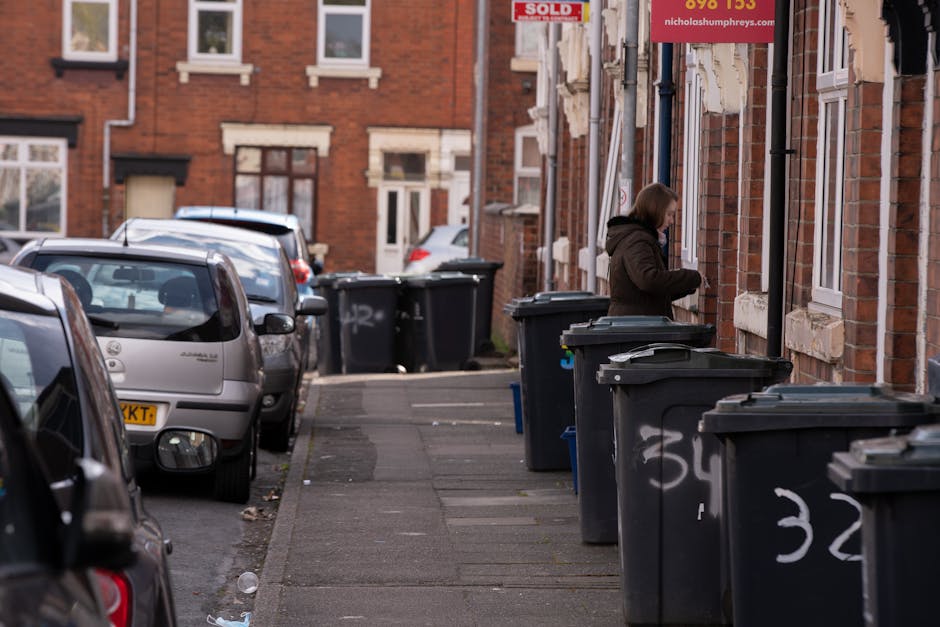
Rubbish collection Abbey Road NW8 tips for residents: a practical local guide
If you live near Abbey Road in NW8, you already know the rhythm of the area: busy pavements, tight parking, elegant homes, flats with shared access, and just enough everyday clutter to become annoying very quickly. A missed bin day, a bulky sofa by the hallway, or a pile of renovation waste in the wrong place can turn into a proper headache. This guide to Rubbish collection Abbey Road NW8 tips for residents is here to make the whole process easier, safer, and less stressful.
Whether you are clearing out a flat, dealing with garden trimmings, getting rid of builders' debris, or simply trying to stay on top of household waste, the goal is the same: avoid mistakes, keep things tidy, and make sensible choices that fit local conditions. We will walk through what matters, how rubbish collection usually works in practice, where residents trip up, and what to do when the load is too awkward for a normal bin day. Simple really. Not always easy, but simple.
Why Rubbish collection Abbey Road NW8 tips for residents Matters
Abbey Road sits in one of those parts of London where space is at a premium and timing matters more than people expect. If you leave bags out too early, block a shared entrance, or misjudge what can be recycled, you may create friction with neighbours, concierge teams, or building managers. In a street environment like NW8, waste is not just a back-of-house issue. It affects appearance, hygiene, access, and, frankly, how the place feels when you step outside in the morning.
For residents, rubbish collection is also about avoiding inconvenience. A small amount of planning can prevent fly-tipping looking temptations, pest issues, and repeated trips up and down stairs with awkward items. If you live in a managed block, you may have building-specific rules; if you live in a terraced property or maisonette, you may have limited collection windows and shared storage space. The practical advice in this article is designed around those realities, not an idealised suburban driveway that simply does not exist here.
It also helps to think ahead. A move-out tidy-up, an end-of-tenancy clean, a post-party clear-down, or a mini renovation all create different waste streams. The more clearly you separate them, the faster the collection process usually goes. And the less chance of that one rogue black sack sitting there for three days. Nobody wants that smell drifting about when the weather warms up.
For residents who want a wider view of local life and property context, a gentle read through this local neighbourhood guide can be useful. It gives a sense of the area's pace, which matters more than people realise when planning waste removal.
How Rubbish collection Abbey Road NW8 tips for residents Works
At a basic level, rubbish collection in Abbey Road NW8 works in one of three ways: regular household collection, recycling and sorting, or arranged removal for larger, more awkward loads. The right route depends on what you have, how much of it there is, and how urgent the clearance is.
For everyday household rubbish, the usual approach is to follow your property's collection schedule and set out the correct bins or bags at the correct time. That sounds obvious, but in shared buildings there is often confusion about who is responsible for moving bins, where they should be left, and what happens if the collection day changes. For mixed or bulky waste, a pre-booked service is often the cleaner option because it removes the guesswork and reduces the time you spend dragging things through a narrow hallway.
Most residents benefit from first separating waste into sensible groups:
- General waste - items that cannot be reused or recycled easily.
- Recyclables - paper, cardboard, cans, glass, and certain plastics, depending on local rules.
- Bulky items - furniture, mattresses, white goods, and broken household items.
- Garden waste - cuttings, branches, soil-contaminated material, and similar organic debris.
- Builders' waste - rubble, plasterboard, tiles, timber offcuts, and packaging from works.
There is a difference between tidying and truly clearing. A tidy-up is usually about bags and boxes. A proper clearance often involves carrying, sorting, lifting, and disposal planning. If you are dealing with a larger job, the broader service pages on waste and rubbish services can help you understand how the different collection types fit together.
And yes, timing matters. Morning collections, weekend restrictions, building access rules, and the need to keep pavements clear all play a role. You will usually have a far smoother experience if you prepare items the evening before, label anything reusable, and make sure lift access or parking arrangements are sorted in advance. It saves arguments. And stairs. Lots of stairs.
Key Benefits and Practical Advantages
When rubbish collection is handled properly, the benefit is not just a cleaner space. It is also less stress, less waste, and fewer last-minute scrambles. In a dense London location like Abbey Road NW8, these advantages show up very quickly.
- Better home organisation - clutter does not quietly expand when you keep on top of it.
- Less risk of pest problems - especially where food packaging or bags are left out too long.
- Safer access routes - hallways, stairwells, and shared entrances stay clear.
- Cleaner recycling habits - good separation reduces contamination and rejected loads.
- More predictable timing - useful when you are moving, renovating, or hosting visitors.
- Reduced neighbour complaints - nobody enjoys looking at an overflowing pile on the pavement.
There is also a practical financial angle. If waste is sorted properly before collection, you are less likely to pay for avoidable extra handling. That matters if you are comparing options or trying to keep a move within budget. If you are in the early stages of costing out a job, the pricing and quotes page is a sensible place to start your planning.
One small but important upside: when rubbish is moved promptly, your home feels calmer. That sounds almost too simple to mention, but a clear flat on a rainy Tuesday in London genuinely feels different. Lighter, somehow.
Who This Is For and When It Makes Sense
This guide is for anyone in or around Abbey Road NW8 who wants a more practical approach to rubbish collection. That could be a long-term resident, a tenant between leases, a landlord preparing a property, or a homeowner tackling a long-overdue clear-out.
It is especially useful if you are:
- moving in or out of a flat and need fast disposal;
- clearing furniture after a room refresh;
- dealing with garden waste after pruning or seasonal maintenance;
- managing builders' debris after minor renovation work;
- supporting an elderly relative with a household clear-down;
- running a small office or workspace with occasional excess waste;
- trying to avoid repeated trips to a bin store that is already full.
There is a point where routine bin management is enough, and a point where it is not. If the rubbish is light and ordinary, keep it with the standard collection process. If the waste is bulky, heavy, mixed, or time-sensitive, it usually makes more sense to arrange a dedicated service. That is where many residents save themselves a lot of hassle.
If you are a landlord or estate manager looking after a unit in the area, broader clearance planning may be more relevant. In that case, the dedicated house clearance service may fit better than a piecemeal approach. Likewise, for workspaces, office clearance can be the neater solution.
Step-by-Step Guidance
If you want a smoother rubbish collection experience in Abbey Road NW8, keep the process simple and methodical. Here is a practical way to do it.
- Identify the waste type. Start by separating general rubbish, recyclables, bulky items, and any special waste. A quick sort at the beginning saves a lot of later confusion.
- Check access rules. In apartment buildings, find out whether there are bin store rules, lift restrictions, or collection windows. Some places are stricter than people expect.
- Estimate the volume. A few sacks is very different from a pile of furniture or a bathroom refit load. Be honest here; underestimating is common.
- Remove reusable items first. If something can be donated, repurposed, or passed on, do that before the skip-style thinking kicks in.
- Bag and bundle safely. Keep sharp edges wrapped, glass secure, and heavy items manageable. One broken box can make a bad morning worse.
- Choose the right collection method. Use regular collection for ordinary waste and organised removal for bulkier or mixed items.
- Book early if timing matters. If you need a specific slot, do not leave it until the day before. London access can be awkward, and everyone knows it.
- Prepare the pickup point. Clear the route from the property to the exit, and keep the pavement or shared hallway unobstructed.
- Confirm what happens after collection. If you are using a professional service, ask how materials are sorted and whether recyclable items are separated appropriately.
That last point is worth pausing on. People often focus on getting waste out of sight, but good service is just as much about responsible sorting as it is about speed. If sustainability matters to you, read more about the company's approach to recycling and sustainability. It gives useful context before you book anything.
Expert Tips for Better Results
After enough household clearances and tidy-up jobs, a few patterns become obvious. The people who have the easiest experience usually do the simple things well.
Tip 1: Split the job into small piles before collection day. It sounds basic, but it stops things from snowballing. A pile for keep, a pile for donate, a pile for recycle, and a pile for remove. You will know where everything belongs.
Tip 2: Use the quietest part of the day for moving waste. Early evening can be awkward in busy buildings. Mid-morning often works better if access is allowed. Less foot traffic, fewer collisions, fewer odd looks from neighbours carrying coffee.
Tip 3: Keep moisture in mind. Wet cardboard, garden cuttings, and damp packaging weigh more and can smell worse. If possible, keep them dry before collection. London weather loves to interfere, of course.
Tip 4: Protect communal spaces. Use dust sheets, carry bags rather than drag them, and avoid scraping walls or lifts. It is a small courtesy that prevents a big complaint.
Tip 5: Treat builders' waste separately. Renovation waste is rarely the same as normal household rubbish. Plaster, rubble, wood, and mixed debris need a different handling mindset. If your project is more than a light tidy-up, look at the builders' waste disposal service so you are not trying to force heavy waste into a general collection plan.
Tip 6: Ask about safety before you book. Safe lifting, insured handling, and sensible disposal practice matter. The page on insurance and safety is useful if you want reassurance around how proper services should operate.
And one practical truth: if you think a job will take one trip, it often takes two. Maybe three. Better to plan for the bigger version and be pleasantly surprised.

Common Mistakes to Avoid
Most rubbish collection problems are not dramatic. They are just annoying, repetitive mistakes that could have been avoided. Here are the ones that show up again and again.
- Leaving bags outside too early. This can create mess, attract pests, and annoy neighbours.
- Mixing recyclables with general waste. It lowers the chance of proper sorting and can make the load harder to process.
- Underestimating bulky waste. A dismantled wardrobe still takes up space. Shocking, but true.
- Forgetting about access. Lifts, stairwells, parking bays, and loading areas all need thinking through beforehand.
- Ignoring sharp or heavy items. Broken glass, old metal, and awkward appliances should be secured before movement.
- Not checking building rules. Shared blocks can have very specific guidance on where waste can be stored.
- Assuming all waste is the same. Garden waste, office clutter, and builders' debris each behave differently in practice.
A surprising number of issues come from trying to hurry. If there is a school run, a delivery, or a tight work meeting, people cut corners. Fair enough. But waste is one of those jobs where five extra minutes up front can save an hour later.
For broader home or flat clear-out situations, it can help to read about the company's general waste removal approach, especially if your rubbish is mixed or larger than expected.
Tools, Resources and Recommendations
You do not need a truckload of equipment to manage rubbish well, but a few simple tools make life easier.
- Heavy-duty refuse sacks for general household waste and light clear-outs.
- Recycling boxes or labelled bags to keep materials separated.
- Gloves for moving broken, dirty, or dusty items.
- Tape and cardboard for securing loose edges on sharp or fragile items.
- A tape measure if you are checking whether furniture will fit through doorways before removal.
- Permanent marker labels if you are sorting items for charity, storage, or collection.
Useful planning also means knowing where to get a fuller picture of your options. The about us page is helpful if you want to understand the company's service mindset, while the service overview gives a clearer picture of what types of rubbish jobs are commonly handled. If you are comparing service levels, the pricing and quotes information is the obvious next stop.
If you are sensitive about payment security or simply like to know how transactions are handled, the pages on payment and security and the site's terms and conditions are worth a quick look. Not glamorous, no, but they matter.
Law, Compliance, Standards, or Best Practice
For residents, the main thing to understand is that waste should be handled responsibly, safely, and in line with local collection arrangements. Exact rules can vary depending on property type, building management, and the waste carrier or collection route you use. Because of that, it is best to stay cautious and confirm details rather than assume.
Good practice usually means:
- keeping footpaths, entrances, and communal corridors clear;
- separating recyclable material wherever reasonably possible;
- avoiding unsafe lifting or movement of heavy items;
- using a reputable collection provider for larger loads;
- checking what can and cannot go out with ordinary household waste.
If your waste includes renovation debris, electrical items, or anything potentially hazardous, use extra care. You should not guess. That is one area where guessing gets expensive or messy very quickly. For residents wanting to reduce risk, the page on modern slavery statement also reflects broader responsible-business standards, while accessibility information may be useful if you are planning a collection in a property with mobility or access considerations.
Best practice is simple: keep it lawful, keep it safe, and keep it respectful to the people living around you. That is the real standard in a place like Abbey Road.
Options, Methods, or Comparison Table
Choosing the right rubbish collection method is easier when you compare the typical options side by side. The "best" option depends on volume, timing, and what kind of waste you have.
| Collection method | Best for | Strengths | Watch-outs |
|---|---|---|---|
| Regular household collection | Everyday waste and routine recycling | Simple, familiar, built into normal household habits | Not suitable for bulky, mixed, or excess waste |
| Private rubbish collection | Quick clear-outs, bulky items, awkward loads | Flexible timing, less hassle, useful for flats and tight streets | Requires booking and clear item descriptions |
| House clearance | Full or partial property clearances | Good for larger jobs, moves, and inherited property clearances | Needs a fuller plan and may take longer |
| Office clearance | Desks, filing, workspace contents, and mixed office waste | Efficient for commercial spaces and back-office decluttering | May involve sorting equipment, paperwork, and access logistics |
| Garden waste removal | Cuttings, branches, light green waste | Useful after pruning, planting, or seasonal maintenance | Soil-heavy loads can be heavier than expected |
For many Abbey Road residents, the best answer is not "one method forever." It is the right method for the moment. A one-off clean-up might need collection support once a year. A flat share might only need better recycling habits. A renovation, on the other hand, can need a more structured approach from day one.
Case Study or Real-World Example
Here is a realistic example. A resident in a NW8 flat decides to refresh a spare bedroom before guests arrive. Nothing major, just an old bed frame, a bulky chair, cardboard packaging from a new wardrobe, and several bags of clothing they no longer want. At first glance, it looks like a simple job. Then they remember the lift is small, the bin store is already half-full, and the building does not want waste left in the corridor overnight.
The resident breaks the job into three parts: reusable items, recycling, and removal. Clothing that can be passed on is separated first. Cardboard is flattened and kept dry. The bed frame and chair are measured so they can be moved without scraping walls. Then a collection slot is arranged for a time that suits building access.
The result? No hallway clutter, no awkward confrontation with neighbours, and no last-minute panic the evening before guests arrive. The room feels lighter by late afternoon. A bit of breathing space. That matters more than people expect.
For a more complicated example involving full-property contents or larger furniture loads, it is worth looking at house clearance support as a more structured option than piecing the job together yourself.
Practical Checklist
Use this checklist before your next rubbish collection in Abbey Road NW8.
- Have I separated general waste, recycling, bulky items, and garden waste?
- Do I know my building's waste storage and collection rules?
- Have I checked the route from my flat or house to the pickup point?
- Are sharp, heavy, or fragile items safely wrapped or bundled?
- Have I flattened cardboard and removed obvious recyclable material?
- Do I know whether I need a standard collection or a dedicated removal service?
- Have I confirmed the timing so waste is not left out too early?
- Have I measured any bulky furniture or appliances that need moving?
- Is anything reusable being donated, sold, or passed on first?
- Have I checked pricing, payment, and service details before booking?
Expert summary: In Abbey Road NW8, the easiest rubbish collection jobs are the ones planned with the building, the street, and the waste type in mind. Sort first, move second, and book the right service for the load rather than hoping a standard bin day will solve everything.
Conclusion
Rubbish collection Abbey Road NW8 tips for residents come down to a few steady habits: sort waste early, respect access rules, choose the right disposal method, and do not leave bulky jobs until the last possible moment. That combination saves time, reduces stress, and keeps your home or building looking far better than a rushed, half-managed clear-out ever will.
There is no magic trick here, just sensible local practice. If you are moving home, refreshing a room, handling garden waste, or clearing out after repairs, take a moment to plan properly. It genuinely pays off. And if you can make the job feel calm rather than chaotic, that is a small win worth having.
Get a free quote today and see how much you can save.
And if all you do after reading this is sort one extra bag properly before collection day, that is still a good start. Quiet progress counts.


From a young age, Blair has cultivated a passion for order, which has now matured into a prosperous profession as a waste removal specialist. She derives satisfaction from transforming disorderly spaces into practical ones, aiding clients in conquering the burden of clutter.
 Tipper Van - Rubbish Collection and Garden Waste Collection Prices in St John's Wood, NW8
 Luton Van - Rubbish Collection and Garden Waste Collection Prices in St John's Wood, NW8