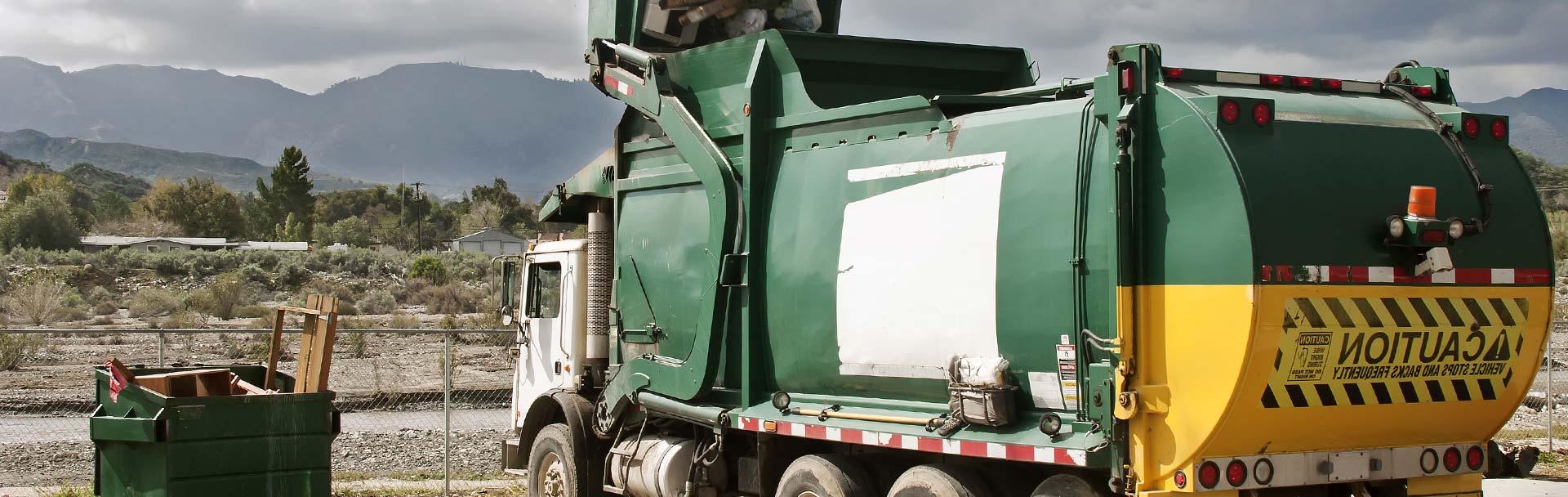
Rubbish removal St Johns Wood High Street access tips
Posted on 04/09/2026
If you are trying to arrange rubbish removal on or near St Johns Wood High Street, the job is rarely just about lifting waste and driving away. Access is the whole game. Tight kerbs, passing traffic, shared entrances, short waiting windows, awkward loading points, and the usual London curveballs can turn a simple clearance into a slow one. The good news? With a bit of planning, rubbish removal St Johns Wood High Street access tips can make the difference between a smooth collection and a frustrating delay.
This guide breaks down what matters, how a typical collection works, where access problems appear, and what you can do before the vehicle arrives. It is written for homeowners, tenants, landlords, office managers, shop teams, and anyone who needs waste moved without annoying the neighbours or blocking the street for half the morning. Let's keep it practical.
![A quiet residential street in an urban area during daytime, featuring a gently curving asphalt road with white dashed lines marking parking bays. Flanking the street are white-painted low boundary walls with decorative finials and black wrought iron gates, which enclose front gardens of multi-storey Victorian-style houses constructed from red brick and stone, with bay windows and gabled roofs. Mature trees with dense green foliage line both sides of the street, their branches extending over the pavement and road, providing shade and a natural canopy. Along the pavements, there are regularly spaced black lampposts with white globular lights, and some yellow and black street bollards, possibly indicating parking restrictions or pedestrian zones. On the right sidewalk, a person is walking while carrying a bag, and on the left side, a bicycle is locked to a railing near the house entrance. The scene appears to be part of an established neighbourhood that may require private rubbish collection, with [COMPANY_NAME] providing an alternative waste disposal service to local authority options, supporting efficient rubbish removal and street cleanliness management.](/pub/blogphoto/rubbish-removal-st-johns-wood-high-street-access-tips1.jpg)
Why Rubbish removal St Johns Wood High Street access tips Matters
High street access is not a minor detail. It is often the main factor that decides whether a rubbish collection is quick, safe, and reasonably priced. On busy London streets, the smallest access issue can create a chain reaction: the van cannot stop where planned, staff have to carry items further, parking time stretches out, and the whole job becomes less efficient. That can affect costs, timing, and even whether the team can take everything in one visit.
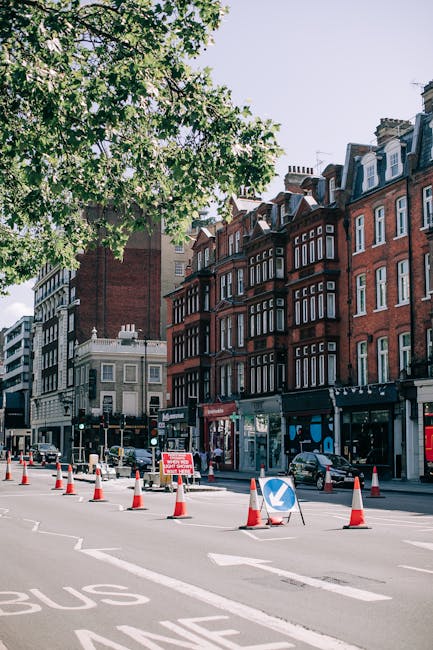
St Johns Wood High Street has the kind of layout that rewards preparation. There may be foot traffic, parked cars, deliveries, residents coming and going, and limited places for a vehicle to pause. If you have ever watched a driver try to reverse into a cramped spot while someone is popping out for a coffee, you will know what we mean. It is a bit of a ballet, really. Not the graceful kind, either.
Good access planning also helps keep the collection discreet. Nobody wants bags dragged across a foyer, noisy lifting in a narrow passage, or waste left visible on the pavement for too long. A little forethought can reduce disturbance and protect both your property and the public space around it.
For readers looking for broader local context, the area itself is covered nicely in this St Johns Wood neighbourhood guide, while those wanting a sense of everyday local views may find what locals say about St Johns Wood helpful too.
How Rubbish removal St Johns Wood High Street access tips Works
In practice, access planning starts before the crew sets off. A reliable collection team will usually want to know what type of waste you have, how much there is, where it is located, and how easy it will be to reach from the vehicle. For a High Street job, they may also ask about entrance width, steps, lift access, loading restrictions, and whether the van can stop close enough for safe handover.
The better the access information, the more accurate the plan. That means less guesswork on the day. It also means the crew can bring the right number of people and the right moving equipment. A two-person lift is very different from a one-person carry down a narrow back corridor. Obvious, maybe, but it is the sort of thing that gets missed when people are in a hurry.
Most access-focused rubbish removal jobs follow a fairly simple pattern:
- Initial review: You describe the waste, access route, and any special restrictions.
- Arrival planning: The team decides where to park, how to approach, and whether any extra handling is needed.
- On-site check: The crew confirms the route from waste to vehicle and checks for hazards.
- Loading: Items are moved safely, often using trolleys, sack trucks, or two-person lifts where required.
- Final sweep: The area is tidied so you are not left with dust, stray packaging, or an awkward half-job.
For larger clearances, access planning becomes even more important. If the job involves furniture, office equipment, builders' rubble, or mixed loads, the vehicle may need to come and go more than once. In those cases, a clear route is just as valuable as raw manpower. You can see how this relates to broader service planning in the site's services overview and the detailed rubbish collection service.
Key Benefits and Practical Advantages
When access is thought through properly, the benefits go well beyond convenience. You get a cleaner, calmer collection with fewer surprises. That matters whether you are clearing a flat above a shop, emptying a studio, or shifting a pile of household waste that has been gathering since spring. A few of the main advantages are worth spelling out.
- Faster collections: The crew can get in, load, and leave without awkward detours.
- Less disruption: Neighbours, pedestrians, and customers are less likely to be inconvenienced.
- Lower risk of damage: Fewer tight turns and fewer rushed carries usually mean fewer knocks and scuffs.
- Better cost control: Efficient access can reduce labour time and avoid unexpected extras.
- Improved safety: Clear routes lower the chance of slips, trips, and strained lifts.
- Cleaner presentation: This is especially useful for shops, offices, and properties with regular footfall.
There is another upside people do not always mention: better access often makes it easier to separate recyclable material from general waste. That can support greener disposal choices, which is why the site's recycling and sustainability guidance is relevant here too.
Expert summary: If you can explain the route from waste pile to van in one clear sentence, you are already ahead of most jobs. The aim is not perfection. It is predictable access, safe movement, and no last-minute scramble at the kerb.
Who This Is For and When It Makes Sense
These access tips are useful for almost anyone booking a collection on or near St Johns Wood High Street, but they matter most when the site is busy, awkward, or time-sensitive. A simple curbside pick-up is one thing. A clearance through a shared lobby at lunchtime is another thing entirely.
You will probably benefit most if you are:
- a homeowner with bulky waste that cannot be left outside for long
- a tenant leaving a flat and needing everything cleared before handover
- a landlord preparing a property between lets
- a shop owner replacing fixtures or disposing of stock packaging
- an office manager handling desks, chairs, files, or IT equipment
- a builder or contractor managing leftover site waste
- someone with limited parking or a strict time window
It also makes sense if the waste is in a rear yard, basement, upper floor, or out-of-sight storage area. In those cases, access is not just about the street. It is about the full route, from the item to the vehicle. If you are handling a bigger project, the dedicated house clearance, office clearance, and builders waste disposal pages can help frame the right kind of service.
Truth be told, this is one of those topics that feels minor until the day of collection arrives and the van cannot stop where you expected. Then it becomes very important, very quickly.
Step-by-Step Guidance
Here is the most practical way to prepare for rubbish removal on a busy high street. Keep it simple and work through the route like you are walking it in real time.
- Map the waste location. Start with the exact spot where items are stored. Is it in a front room, back garden, basement, bin store, service corridor, or upstairs office?
- Measure the pinch points. Check doorway width, stair turns, lift dimensions, and any awkward corners. You do not need engineering precision. Just enough to avoid a surprise.
- Identify the van stopping point. Where can the vehicle legally and safely pause? If the ideal spot is not available, what is plan B?
- Clear the route. Move small obstacles, mats, boxes, prams, planters, and anything else that could slow the crew down or cause a trip hazard.
- Warn anyone affected. If you share the building or frontage, let neighbours, staff, or reception know when the collection is happening.
- Group the waste sensibly. Put recyclable material, bulky items, and general rubbish into logical piles if possible. It helps with loading.
- Protect floors and thresholds. For internal routes, a bit of old cardboard or sheet protection can prevent damage. Not glamorous, but effective.
- Keep access clear on arrival. If you can, avoid leaving doors propped unexpectedly or cars blocking the route just before the van arrives.
- Confirm special items in advance. Fridges, mattresses, heavy cabinets, or mixed builder's waste may need different handling.
- Do a final sweep. Before the team leaves, check that the route, the loading point, and the collection area are tidy.
A useful habit is to walk the route once in the morning and once just before collection. The second walk catches things you missed the first time. A forgotten delivery crate or a parked scooter can ruin a good plan. Happens all the time.
Expert Tips for Better Results
After enough collections, you start to notice that the same small adjustments save the most time. These are the kind of tips that do not sound dramatic, yet they make a real difference on a narrow or busy street.
1. Give exact access details, not just a postcode
A postcode tells the team where you are. It does not tell them whether the waste is at the front, behind a locked gate, or down two flights of stairs. Mention the access route, any gate codes, whether someone needs to buzz in, and where the quickest load point is likely to be.
2. Be honest about heavy or awkward items
If the load includes a sofa bed, metal filing cabinet, concrete rubble, or waterlogged garden waste, say so. Heavy items alter lifting time and may need extra hands. Nobody likes a "small job" that turns into a deadlift challenge. To be fair, the crew would rather know early.
3. Think in terms of carrying distance
On a quiet road, a 10-metre carry may be nothing. On a busy high street, those same 10 metres may involve doors, kerbs, traffic, and pedestrians. The distance matters more than people think. Shorten it where you can.
4. Time the collection carefully
If you have flexibility, avoid the most congested periods. Early morning or mid-afternoon may work better than the obvious rush points. In a place like St Johns Wood, even a few minutes can change how smooth the load-in feels.
5. Separate fragile and recyclable material
Glass, electronics, and reusable household items should not be wedged in with mixed waste if you can avoid it. Separation gives the team more options and reduces unnecessary breakage.
6. Make the route feel obvious
It sounds almost silly, but a visible, well-lit path saves time. If you are using a side entrance, open it in advance. If there is a tricky turn, leave the path uncluttered so nobody has to guess.
7. Build in a small buffer
London collections do not always run like clockwork. Traffic, deliveries, and building work can all get in the way. A little buffer in your schedule is simply sensible. The calmer the booking, the easier the day tends to be.
If safety matters to your building or project, it is worth reading the site's insurance and safety information as part of your planning. Peace of mind is underrated.
Common Mistakes to Avoid
Most access problems are preventable. The trouble is, they often come from small assumptions rather than big failures. Here are the ones that show up again and again.
- Assuming the van can stop anywhere: High street parking and loading rules are rarely that generous.
- Forgetting about height and width: A lift, gate, or doorway may be narrower than you remember.
- Leaving waste scattered: If items are spread across multiple rooms or levels, the job takes longer.
- Not checking the route: A path that looks fine in daylight can be awkward once bins, bikes, and people are in the way.
- Ignoring shared access: In apartments or mixed-use buildings, other users may need warning.
- Booking too close to a deadline: If collection time slips, you may be stuck.
- Underestimating loading time: Heavy or bulky items are slower than bags and boxes. Obvious, but easy to miss.
- Not asking about restricted access: Some sites need extra care because of rules, permissions, or building procedures.
A very common one, especially with office or retail clearances, is not checking whether the waste is coming from a public-facing area. If the collection point is in sight of customers, you may want a tidier staging area than you would use at the back of the building. Small detail. Big impression.
Tools, Resources and Recommendations
You do not need fancy equipment to improve access, but a few simple tools can make the process safer and less stressful. Think practical, not elaborate.
- Tape measure: Useful for checking doorways, lift openings, and awkward gaps.
- Phone torch: Handy for dim basements, rear alleys, or service corridors.
- Labels or notes: Helps separate items that stay, go, recycle, or need special handling.
- Cardboard or protective sheets: Good for floor protection along internal routes.
- Bin bags and boxes: Keeps small waste contained and easier to carry.
- A simple floor plan or sketch: Even a rough drawing can help explain access clearly.
- Phone photos: A quick set of images of the load, the entrance, and the street frontage can save a lot of back-and-forth.
For property owners and managers in the area, it can also help to pair waste planning with local knowledge. If you are thinking beyond a single collection, the site's housing market guide and related local housing insight can give useful context about the sort of homes and access patterns common in the area. That matters more than people expect.
If you want to understand how a company handles broader service requests, the about us page is also worth a look. It helps set expectations about professionalism, communication, and the sort of work they are set up to handle.
Law, Compliance, Standards, or Best Practice
For rubbish removal, compliance is mainly about safe handling, lawful disposal, and avoiding disruption. In the UK, that usually means waste should be transferred responsibly, kept under control during loading, and taken to an appropriate disposal or recycling route. You do not need to turn into a legal scholar for this, thankfully. But you should know that waste left in a public place or handed to the wrong operator can create problems later.
Best practice is straightforward:
- keep the waste under supervision until collection
- avoid obstructing pavements, doors, or emergency access
- make sure lifting routes are as safe and direct as possible
- separate hazardous or unusual items in advance where relevant
- use a provider that can explain how waste is handled
For building projects, the expectations are even higher. Mixed construction waste, plasterboard, sharp offcuts, and rubble all need careful handling, both for safety and for proper disposal. That is one reason the dedicated builders waste disposal page is useful if your access issue is tied to a renovation or refurbishment.
There is also a strong practical case for accessibility awareness. If your route is tight, steep, or awkward for anyone with mobility concerns, the same access planning that helps a rubbish crew also helps visitors and residents move safely. The site's accessibility statement reflects that broader mindset.
Options, Methods, or Comparison Table
If you are deciding how to handle rubbish removal near High Street access points, it helps to compare the common approaches. Not every job needs the same method, and choosing the simplest workable one is often the smartest move.
| Method | Best for | Access demands | Main drawback |
|---|---|---|---|
| Kerbside loading | Small to medium waste close to the road | Low if parking is available | Depends heavily on stopping space |
| Front-entry carry-out | Homes, shops, and flats with clear main access | Moderate | Can affect foot traffic if poorly timed |
| Rear-gate or service access | Properties with back entrances or yards | Moderate to high | Often involves longer carrying distance |
| Internal lift-and-carry | Upper floors, offices, and apartment blocks | High | Slower and more dependent on building layout |
For many St Johns Wood High Street jobs, the best option is simply the one that keeps the load path short and clear. Fancy tactics are not necessary. A straightforward route with decent timing usually beats an overly clever plan that falls apart when a delivery van appears.
Case Study or Real-World Example
Imagine a small flat above a retail unit on St Johns Wood High Street. The resident has a sofa, two broken chairs, several bin bags, and an old bookshelf to remove before a tenancy change. The rear service entrance is usable, but only if the route through the building is kept clear. The street outside is busy by late morning, and parking is uncertain.
The first thing done is a quick access review. The resident photographs the waste, checks the doorway width, and confirms the stair turn at the landing. A neighbour is told about the collection time. Cardboard is placed on the floor near the narrowest corner. The waste is grouped in one area instead of spread across the living room and hallway.
On the day, the crew arrives, checks the route, and decides to use a two-person lift for the sofa rather than trying to force it through on a steep angle. The van stops a short distance away, which is not ideal, but still workable. The load takes a little longer than a kerbside job would have, yet everything is removed in one visit and the flat is handed back tidy.
The important bit is not that the job was perfect. It was not. There was a brief delay because a delivery arrived nearby. But the access plan made the delay manageable, not chaotic. That is often what good rubbish removal looks like in the real world: calm enough to cope when the street does what streets do.
Practical Checklist
Use this before collection day. It is simple, but it catches most of the avoidable issues.
- Confirm the exact waste location
- Check the route from waste to street
- Measure tight doors, gates, or stairs if needed
- Identify where the vehicle can legally stop
- Remove loose obstacles from the route
- Tell anyone else who may be affected
- Separate bulky, recyclable, and general waste if possible
- Protect floors or thresholds where the crew will pass
- Share any access codes, buzz-in steps, or building rules in advance
- Keep the collection point clear until the team has finished
- Do a final walk-through before the van leaves
Quick takeaway: if the route looks easy to you, it will usually look easy to the crew. If it feels awkward, fix it before collection day rather than hoping everyone will improvise. Hope is not a traffic management plan.
If you are comparing services or trying to understand what is included, the pricing and quotes page and payment and security information may also help you feel more prepared.
Get a free quote today and see how much you can save.
Conclusion
Rubbish removal on or near St Johns Wood High Street is usually easier when you think about access first and waste second. That sounds backwards at first, but it is the truth of it. The clearer the route, the smoother the loading. The smoother the loading, the lower the stress. And the less stress there is, the more likely the collection will feel tidy, professional, and properly under control.
If you remember just one thing, make it this: walk the route before the crew arrives. Street, doorway, corridor, stairs, loading point. Once you see the job as a path rather than a pile, the whole thing becomes much more manageable.
And honestly, that is usually enough. A bit of planning, a few sensible checks, and a collection that gets done without fuss. Not bad for a job that can look complicated from the outside.
![A quiet residential street in an urban area during daytime, featuring a gently curving asphalt road with white dashed lines marking parking bays. Flanking the street are white-painted low boundary walls with decorative finials and black wrought iron gates, which enclose front gardens of multi-storey Victorian-style houses constructed from red brick and stone, with bay windows and gabled roofs. Mature trees with dense green foliage line both sides of the street, their branches extending over the pavement and road, providing shade and a natural canopy. Along the pavements, there are regularly spaced black lampposts with white globular lights, and some yellow and black street bollards, possibly indicating parking restrictions or pedestrian zones. On the right sidewalk, a person is walking while carrying a bag, and on the left side, a bicycle is locked to a railing near the house entrance. The scene appears to be part of an established neighbourhood that may require private rubbish collection, with [COMPANY_NAME] providing an alternative waste disposal service to local authority options, supporting efficient rubbish removal and street cleanliness management.](/pub/blogphoto/rubbish-removal-st-johns-wood-high-street-access-tips3.jpg)

From a young age, Blair has cultivated a passion for order, which has now matured into a prosperous profession as a waste removal specialist. She derives satisfaction from transforming disorderly spaces into practical ones, aiding clients in conquering the burden of clutter.
 Tipper Van - Rubbish Collection and Garden Waste Collection Prices in St John's Wood, NW8
 Luton Van - Rubbish Collection and Garden Waste Collection Prices in St John's Wood, NW8